
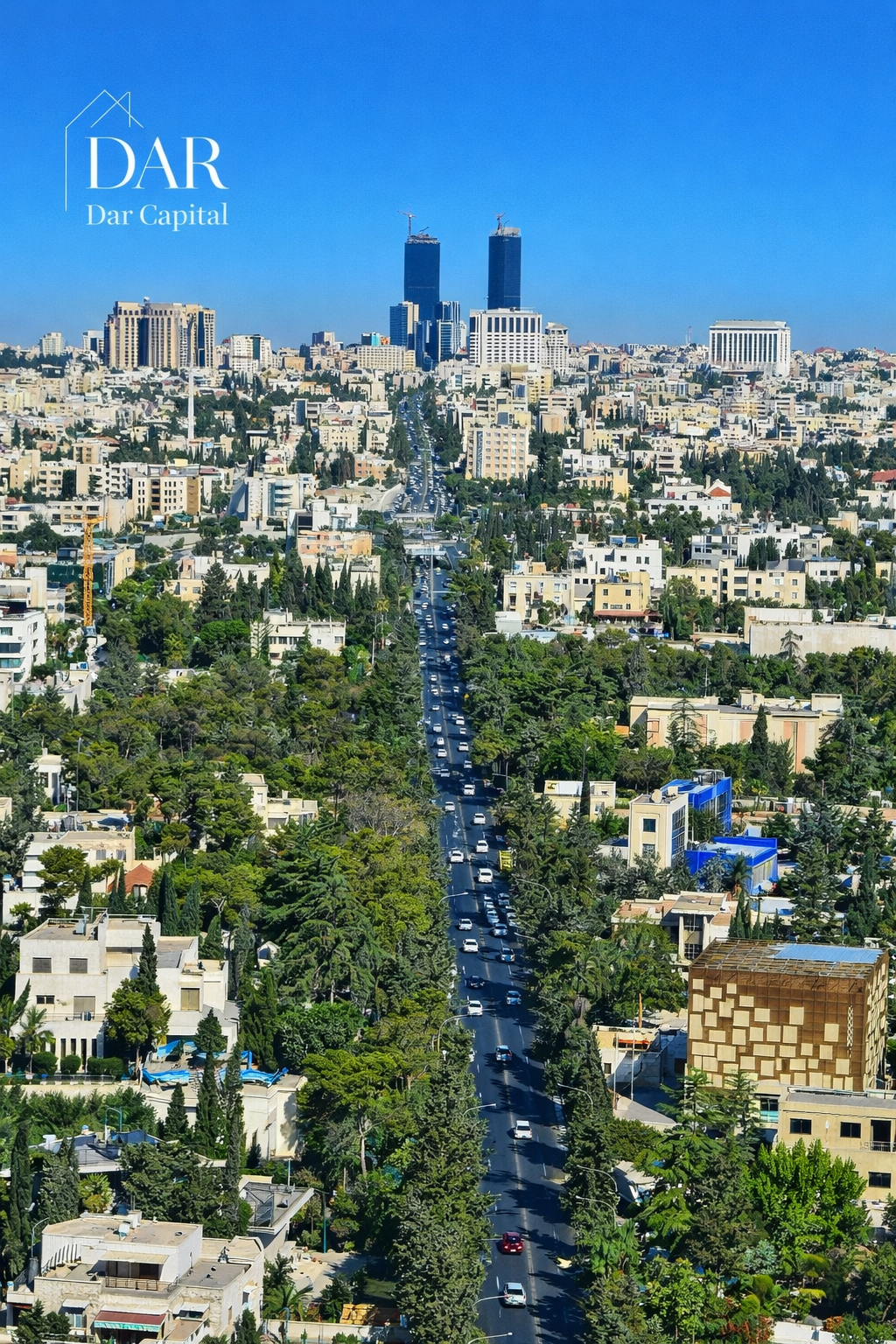

Can Foreigners Buy Property in Jordan? Your Questions Answered
With increasing interest from expats, regional investors, and internationally mobile families, a recurring question is gaining momentum in the market: Can foreigners buy property in Jordan? More broadly, how do foreigners buy property in Jordan, what are the legal requirements, and what makes Amman an attractive destination in the first place?
The short answer is: Yes — foreigners can buy property in Jordan, and the regulatory framework allows both individuals and corporate entities to do so. However, as in many countries, the process involves approvals that vary by nationality, purpose, and property type.
Legal Framework for Foreign Ownership
Foreign ownership rights are governed under the Law of Leasing and Selling Immovable Assets to Non-Jordanians. This framework enables foreigners to buy property in Jordan for residential use, commercial purposes, or investment projects. Ownership rights may cover:
- Residential apartments and villas
- Commercial real estate
- Tourism and hospitality assets
- Development and leasing projects
Compared to other Middle Eastern jurisdictions, the system in Jordan is structured and transparent, particularly for buyers with defined use cases.
Buying for Residential Use
Foreign individuals can legally purchase residential units such as apartments, townhomes, and standalone houses. For many expats and international families relocating to Amman for work, education, or lifestyle, buying property in Jordan as a foreigner is often a practical alternative to long-term renting.
The process typically includes:
- Submitting an ownership request
- Providing passport documentation
- Declaring the purpose of ownership
- Completing standard registration procedures
Approvals tend to be straightforward for properties located in non-restricted zones and intended for normal residential use.
This scenario is common among:
- GCC-based families seeking conservative diversification
- Expat residents living in Jordan
- Non-residents abroad (UAE, KSA, USA, EU markets)
- Foreign nationals relocating for employment or education
Buying Property for Investment or Corporate Use
Foreign companies and investors may also purchase property for commercial or investment purposes. Foreign real estate investors in Jordan frequently target sectors such as:
- Residential leasing portfolios
- Tourism and hospitality assets
- Student accommodation
- Corporate buildings and mixed-use developments
In these cases, approvals may require documentation on:
- Company registration
- Ownership structure
- Investment purpose
- Expected economic contribution
This resembles regulatory models in markets like the UAE, Saudi Arabia, and Cyprus, where foreign investment is permitted within defined frameworks.
Agricultural Land & Restricted Zones
Agricultural land is subject to additional regulation aimed at preserving agricultural use and preventing misuse. Depending on location, approvals may require investment plans, development timeframes, or additional clearances. This is not unique to Jordan; many countries apply similar controls when foreigners buy property in agricultural or strategic areas.
Can Foreigners Sell Property in Jordan?
Yes. Foreign owners can legally sell property they own in Jordan to:
- Jordanian buyers
- Foreign residents
- Foreign non-residents (subject to approvals)
Liquidity in Amman’s resale market remains relatively resilient due to genuine end-user demand rather than short speculative cycles—an important consideration for foreign real estate investors evaluating exit scenarios.
Financing & Mortgages for Foreign Buyers
Mortgage availability exists but varies between banks. Some lenders extend financing to foreign buyers, while others apply stricter residency or collateral requirements. Due to this, many international buyers — particularly those purchasing from the UAE, Saudi Arabia, and the United States — prefer:
- Self-financing
- Company financing
- Equity or offshore capital
This is especially common in premium neighbourhoods with stable rental demand.
Taxes & Fees
Foreign buyers pay the same core property-related costs as Jordanian citizens, including transfer and registration fees. Brokerage commissions may apply depending on the transaction structure. One notable advantage for end-users is the absence of annual property taxation on residential units intended for private use, improving long-term ownership economics when foreigners buy property in Jordan for lifestyle purposes rather than speculation.
Residency Considerations
Owning property in Jordan does not automatically grant residency, although it may support certain applications depending on the buyer’s profile and investment structure. Residency pathways are periodic policy topics and tend to evolve, particularly as the country seeks to attract higher-quality long-term capital.
Why Foreign Buyers Choose Amman
For buyers evaluating Middle Eastern and global housing markets, Amman stands out for a combination of stability, affordability relative to regional peers, and quality-of-life advantages. Factors frequently cited by foreign buyers include:
- Safety and security
- Strong healthcare infrastructure
- International schools and universities
- English-friendly business environment
- Attractive neighborhoods
- Moderate living costs
- Cultural familiarity for GCC and Levant families
Neighbourhoods commonly favoured by foreign buyers include:
- Abdoun
- Dabouq
- Deir Ghbar
- Um Uthaina
- Airport Road communities
Abdoun remains one of the best neighbourhoods in Amman for families, thanks to its international schools, modern services, and family-oriented lifestyle offered in Living in Abdoun.
These areas offer resilient rental demand, strong infrastructure, and proximity to key services.
Investment Perspective: Stability Over Speculation
From an investment standpoint, Amman is perceived as a capital preservation market rather than a speculative one. Foreign investors interested in steady rental yields and long-term wealth preservation often prefer markets where fundamentals are driven by end-user demand rather than volatile speculative cycles.
Buyers benefit from:
- Low vacancy rates in prime areas
- Strong end-user-driven price dynamics
- Predictable rental performance
- Conservative market behaviour
This profile is particularly appealing for foreigners buying property in Jordan as part of regional diversification strategies, especially those already invested in Dubai, Riyadh, Doha, or Istanbul.
How Dar Capital Assists Foreign Buyers
For many foreign buyers, the primary challenge is operational, not legal. Navigating neighbourhoods, pricing, approvals, and documentation remotely can be difficult without a localised partner.
Dar Capital offers end-to-end support for foreigners buying property in Jordan, including:
✓ Market research & advisory
✓ Neighbourhood selection guidance
✓ Property sourcing & screening
✓ Due diligence & negotiation
✓ Legal coordination with authorities
✓ Full closing & registration management
For non-resident foreign owners, Dar Capital also provides Full Property Care & Management, including:
✓ Post-purchase oversight
✓ Maintenance coordination
✓ Tenant management (if leased)
✓ Remote reporting & follow-up
✓ Asset preservation during absence
This enables foreign buyers to own property in Jordan without continuous physical presence—a key requirement for international investors and expats purchasing from abroad.
So, can foreigners buy property in Jordan?
Absolutely. The framework is functional, regulated, and accessible for both residential and investment purposes. For buyers seeking stability, safe ownership, and long-term value, Amman offers a compelling proposition within the Middle East’s real estate landscape.
